
Closing Costs for Buyers and Sellers in Victoria, BC: What to Budget For
Closing Costs for Buyers and Sellers in Victoria, BC: What to Budget For
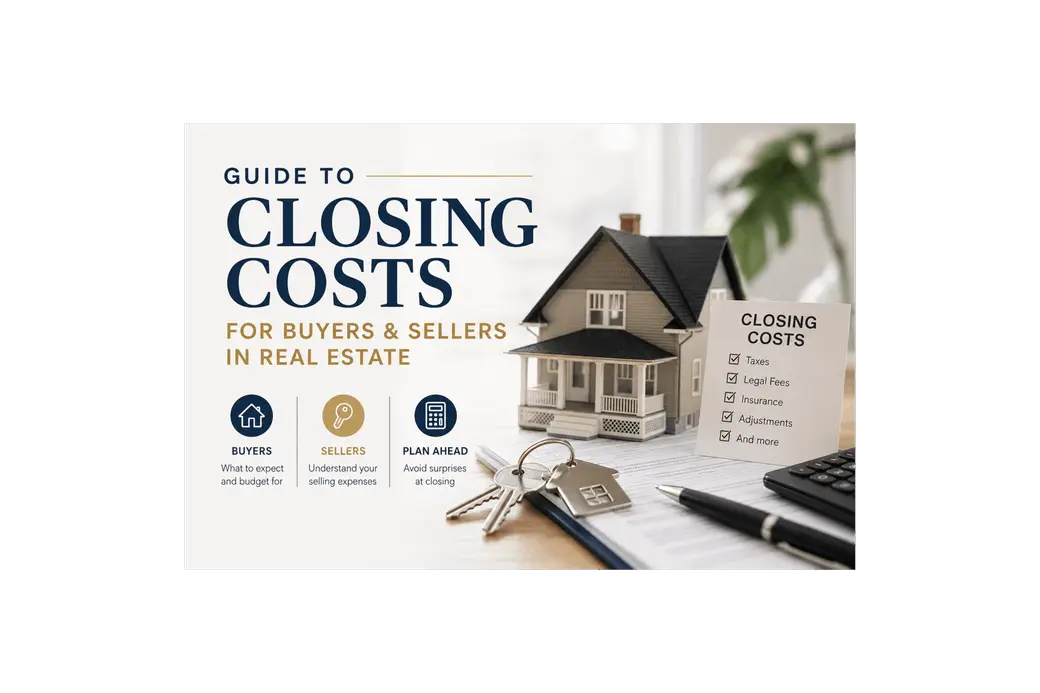
Buying or selling a home involves more than just the purchase price or the amount you receive from the sale. Closing costs are the additional expenses that come with completing a real estate transaction, and understanding them ahead of time can help you avoid unwelcome financial surprises.
If you're buying or selling real estate in Victoria, BC, here are some of the common closing costs you should be prepared for.
Closing Costs for Buyers in Victoria, BC
For buyers, closing costs are generally paid in addition to your down payment. The exact amount will depend on the property, purchase price, financing, and whether you qualify for any exemptions.
1. Property Transfer Tax
Property Transfer Tax (PTT) is one of the largest potential closing costs for a buyer in British Columbia. It is generally calculated based on the property's fair market value at the time it is registered.
BC's general Property Transfer Tax rates are:
- 1% on the first $200,000
- 2% on the portion from $200,000 to $2 million
- 3% on the portion over $2 million
- An additional 2% applies to the portion over $3 million for residential properties
Certain buyers and properties may qualify for exemptions or reductions, including eligible first-time home buyers and some purchases of newly built homes.
Because PTT can represent a significant amount of money, it should be calculated early in the buying process—not discovered a few days before closing.
2. Legal or Notary Fees
A lawyer or notary handles the legal transfer of the property, registration of the mortgage and title, and other documentation required to complete your purchase.
The cost varies depending on the transaction, so buyers should obtain an estimate directly from their lawyer or notary.
3. Home Inspection
Although technically a pre-closing expense rather than a closing-day cost, a professional home inspection is an important expense to budget for when purchasing a house or townhouse.
An inspection can help identify concerns involving the home's structure and major systems before you remove your inspection condition.
4. Appraisal Fees
Your lender may require an appraisal to confirm that the property's value supports the mortgage amount.
Depending on your lender and mortgage arrangement, you may be responsible for the appraisal cost.
5. Property Tax and Other Adjustments
Real estate transactions involve adjustments between the buyer and seller.
For example, if the seller has already paid the year's property taxes, the buyer may reimburse the seller for the portion covering the period after the buyer takes ownership.
There can also be adjustments for items such as strata fees, utilities or other prepaid expenses.
6. Home Insurance
Mortgage lenders generally require proof of adequate property insurance before they will advance mortgage funds.
It's a good idea to investigate insurance before removing your financing or insurance conditions, particularly with older homes or properties that may have features that insurers consider higher risk.
7. GST on Certain Properties
GST may apply when purchasing certain properties, most commonly new construction.
There are specific rules, exemptions and potential rebates associated with GST, so buyers purchasing a newly built home should get professional tax advice about their particular situation.
Closing Costs for Sellers in Victoria, BC
Sellers have a different set of expenses to consider. Understanding these costs is particularly important when calculating the net proceeds you expect to receive from your sale.
1. Real Estate Commission
Real estate commission is generally one of the largest selling expenses.
The amount depends on the commission structure agreed to in the listing contract. Applicable GST is also added to real estate commissions.
Rather than focusing only on the sale price of your property, I recommend looking at your estimated net proceeds after selling expenses. That gives you a much clearer picture of what you'll actually have available for your next move.
2. Legal or Notary Fees
Sellers also require a lawyer or notary to complete the legal side of the transaction.
This can include reviewing documents, dealing with the transfer of title, receiving sale proceeds and paying out an existing mortgage.
3. Mortgage Discharge and Potential Penalties
If you have a mortgage on the property, it will generally need to be paid out or otherwise dealt with as part of the sale.
Depending on your mortgage terms, you could face:
- A mortgage prepayment penalty
- Discharge fees
- Other lender-related charges
This is worth investigating before listing your home, particularly if you are partway through a fixed-term mortgage.
4. Property Tax and Other Adjustments
Just as adjustments affect buyers, they also affect sellers.
Property taxes and certain other expenses are adjusted so that each party is responsible for their appropriate share based on the completion date.
For strata properties, adjustments may also be made for strata fees or other applicable amounts.
5. Moving and Preparation Costs
These aren't legal closing costs, but they can have a significant impact on the overall cost of selling.
Depending on the property, sellers may want to budget for:
- Moving expenses
- Cleaning
- Repairs and maintenance
- Painting
- Landscaping
- Storage
- Staging or property preparation
Not every home needs extensive work before going to market. The key is determining which improvements are likely to help the sale and which ones aren't worth the money.
How Much Should You Budget for Closing Costs in BC?
There isn't one percentage that works for every buyer or seller.
A buyer who qualifies for a Property Transfer Tax exemption could have dramatically different costs from someone purchasing a higher-priced property. Likewise, a seller with a mortgage penalty could have considerably higher expenses than a seller who owns their property mortgage-free.
That's why I prefer to look at closing costs before an offer is written or a property is listed.
For buyers, that means understanding your approximate cash requirements beyond the down payment.
For sellers, it means calculating your estimated net proceeds so you know approximately how much equity you'll have available after the sale.
Planning a Move in Victoria, BC?
Real estate decisions are easier when you understand the numbers before you commit.
Whether you're a first-time buyer, moving to a larger home, downsizing, or preparing to sell a property in Greater Victoria, I can help you understand the real estate side of the transaction and identify the costs you should discuss with your mortgage professional, lawyer, notary or accountant.
The goal isn't simply to get to closing day. It's to make sure you understand what to expect along the way and can make informed decisions with fewer surprises.
This article provides general information about real estate closing costs in British Columbia and should not be considered legal, tax, accounting or financial advice. Costs, taxes, exemptions and eligibility requirements can change. Buyers and sellers should obtain advice specific to their circumstances from the appropriate professional.
Categories
Recent Posts





REVIEWS