
Electrical Report When Buying a Home in Victoria BC: What Buyers Need to Know
Electrical Report When Buying a Home in Victoria BC: What Buyers Need to Know
Understanding electrical inspections, older wiring, insurance considerations and potential repair costs before purchasing a home.
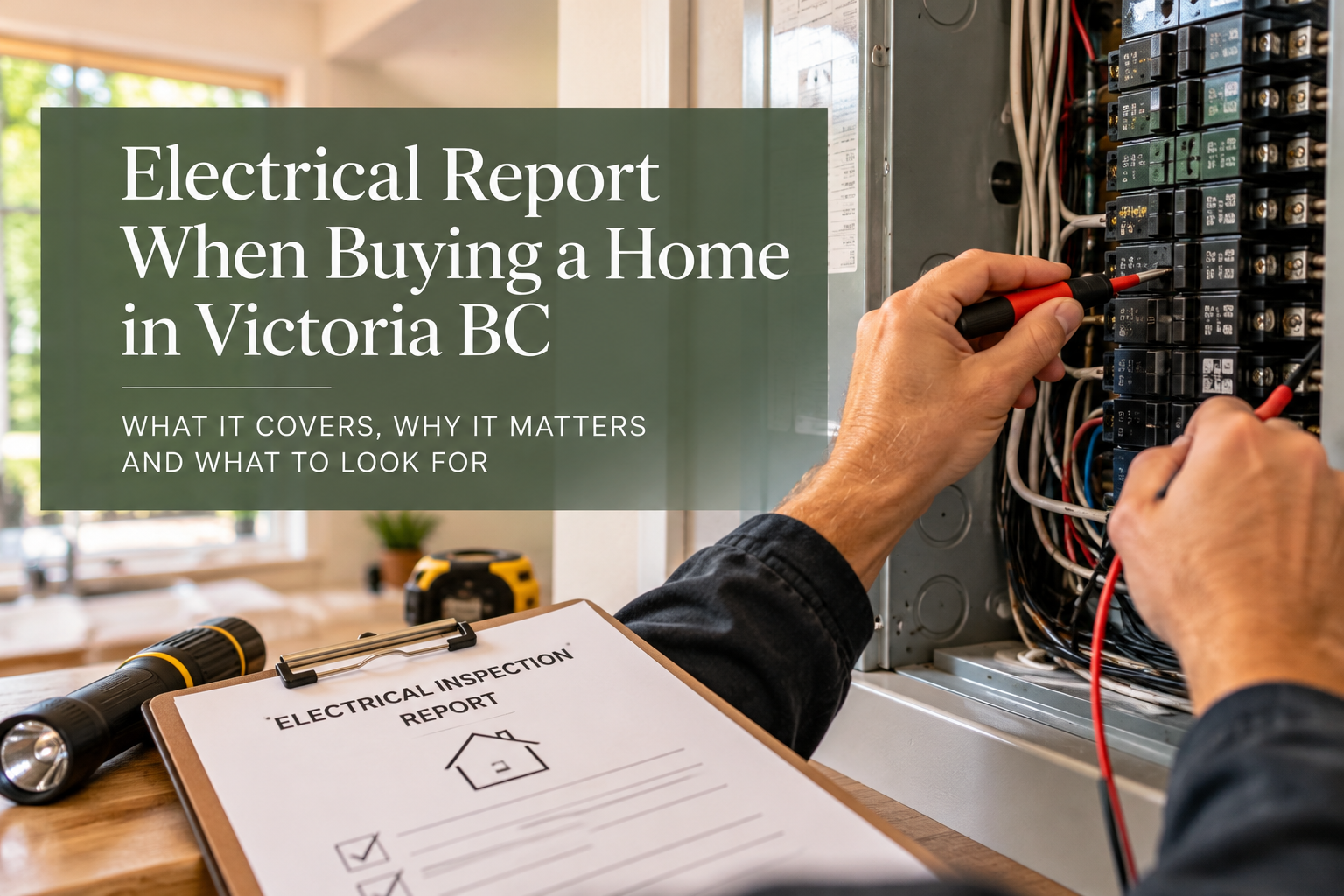
When buying a home in Victoria, most buyers understand the importance of arranging a home inspection. But what happens when the inspector identifies an electrical concern? Does that mean the home is unsafe? Will it affect your ability to obtain insurance? And how much could the repairs cost?
These are important questions, particularly in Greater Victoria, where many established neighbourhoods contain homes built several decades ago.
Older electrical systems are not necessarily unsafe, but they deserve careful evaluation. An electrical inspection by a qualified electrical contractor can help buyers understand the condition of a property's electrical system before making a final purchasing decision.
What Is an Electrical Inspection Report?
An electrical inspection report documents the findings of an examination of a home's electrical system.
A general home inspector typically performs a visual assessment of accessible electrical components. If concerns are identified, a more specialized inspection by a licensed electrical contractor may be recommended.
Depending on the scope of the inspection, the electrician may evaluate:
- The main electrical panel and circuit breakers
- Electrical service capacity
- Visible wiring types and their condition
- Grounding and bonding
- Electrical outlets and switches
- Signs of overheating or improper modifications
- Potential electrical safety hazards
- Recommended repairs or further investigation
The report may identify immediate safety concerns, suggest improvements, or recommend further testing. Not all concealed wiring can be inspected without opening walls or ceilings.
Why Electrical Inspections Matter in Victoria
Greater Victoria has a wide variety of housing, including heritage properties, mid-century homes, and houses built during the residential expansion of the 1970s and 1980s.
In neighbourhoods such as Gordon Head, Oak Bay, Fairfield, Broadmead and other established communities, buyers may encounter electrical systems that have been modified or upgraded over time.
Some renovations may have been completed with appropriate permits and inspections. Others may have been undertaken without proper documentation.
The key consideration is not simply the age of the electrical system, but whether it is safe, suitable for the home's needs, and acceptable to your insurance provider.
Five Electrical Issues Buyers Should Understand
1. Aluminum Wiring
Aluminum branch-circuit wiring was used in some Canadian homes, particularly during the 1960s and 1970s.
The concern is not necessarily the presence of aluminum wiring itself, but the possibility of overheating at improperly installed or deteriorated connections.
An electrician may recommend specialized connectors, approved devices, or other corrective work depending on the condition of the installation.
Some insurance companies have specific requirements for homes containing aluminum wiring. Buyers should confirm these requirements before removing their insurance or financing conditions.
2. Knob-and-Tube Wiring
Knob-and-tube wiring may be found in older character homes, particularly properties built in the early twentieth century.
Although this wiring was commonly used when these homes were constructed, it may present concerns related to deterioration, modifications, insulation and modern electrical demands.
Some insurance providers may decline coverage or require replacement of active knob-and-tube wiring.
A qualified electrician can help determine whether the wiring remains active and what remediation, if any, is necessary.
3. Older Electrical Panels
Electrical panels are another important consideration when purchasing an older property.
Certain older panel brands and designs have known safety concerns, while other panels may simply be approaching the end of their useful service life.
An electrician may recommend replacement if the panel is damaged, has unsafe components, or no longer meets the home's electrical requirements.
A panel's age alone does not automatically mean it must be replaced. Its condition, design and installation should be professionally assessed.
4. Electrical Service Capacity
Many older homes were originally built with electrical systems designed for considerably lower electricity demands than today's households.
Modern homes may require additional capacity for:
- Heat pumps and electric heating
- Electric vehicle charging
- Induction ranges and modern appliances
- Secondary suites
- Renovations or home additions
A home with 100-amp service is not automatically inadequate. Whether an upgrade is necessary depends on the calculated electrical load and the equipment being installed.
If you are planning significant renovations or adding an electric vehicle charger, consider having an electrician assess the home's capacity before purchasing.
5. Unpermitted Electrical Work
Renovations completed without appropriate electrical permits can create uncertainty for buyers.
Examples might include additional outlets, new circuits, electrical work in a secondary suite, or modifications to the main panel.
In British Columbia, electrical work generally requires the appropriate permits and inspections, subject to applicable exemptions and jurisdictional requirements.
Buyers should ask about permits for significant electrical upgrades and consider obtaining professional advice when documentation is missing.
Can Electrical Problems Affect Home Insurance?
Yes. Electrical concerns can affect whether an insurance company will provide coverage and what conditions may apply.
An insurer may request additional information about aluminum wiring, knob-and-tube wiring, older electrical panels, or other identified safety concerns.
Depending on the circumstances, the insurer might require an electrician's report, specific repairs, or replacement of certain components.
This is why I encourage buyers to investigate potential insurance concerns early in the purchasing process.
It is much better to understand the requirements before subject removal than to discover an unexpected insurance issue shortly before completion.
Can Electrical Issues Affect Mortgage Financing?
Potentially. Lenders generally require properties to meet their lending criteria, and adequate property insurance is commonly a condition of mortgage funding.
If significant electrical problems prevent a buyer from obtaining acceptable insurance, financing may also be affected.
Depending on the lender and circumstances, additional inspections, repairs or documentation may be required.
Buyers should discuss any significant electrical concerns with their mortgage professional and insurance provider before proceeding.
How Much Do Electrical Repairs Cost in Victoria?
Electrical repair costs can vary substantially depending on the nature of the problem, accessibility, materials, labour and permit requirements.
A relatively minor correction involving an outlet or connection may be straightforward. A panel replacement, service upgrade or whole-home rewiring is a much larger project.
Costs can also increase when repairs require opening walls, restoring drywall, or coordinating with the local electrical utility.
Rather than relying on a generic estimate, buyers should request a written quotation from a qualified electrical contractor.
That quotation should identify the recommended work, anticipated costs, permit requirements, and any limitations or additional investigations.
What Should You Do If an Electrical Inspection Identifies a Problem?
Discovering an electrical issue does not automatically mean you should walk away from purchasing the property.
Instead, consider the following steps:
- Understand the concern. Ask the electrician to explain whether the issue presents an immediate safety risk, requires repair, or is primarily a recommended improvement.
- Obtain a written estimate. Understand the likely costs and scope of any necessary work.
- Speak with your insurance provider. Confirm whether the electrical condition affects insurability or creates additional requirements.
- Consult your mortgage professional. Determine whether the issue could affect your financing.
- Review your options with your Realtor. Depending on the contract and circumstances, you may wish to discuss repairs, pricing, or other possible solutions with the seller.
Can You Negotiate After Receiving an Electrical Report?
An electrical report can provide useful information during negotiations, particularly when significant problems are discovered during the buyer's due diligence period.
For example, if an electrician identifies a major safety concern requiring substantial repairs, a buyer may wish to discuss the findings with the seller.
Possible outcomes could include:
- A negotiated price adjustment
- Seller-completed repairs before closing
- Additional time for investigation
- Proceeding with the purchase as agreed
- Not proceeding, where the contract permits
However, an inspection report does not automatically entitle a buyer to a price reduction or require a seller to complete repairs.
The available options depend on the purchase contract, its conditions, the timing of the discovery, and the willingness of both parties to negotiate.
Does Every Home Buyer Need a Separate Electrical Inspection?
Not necessarily.
For many properties, a general home inspection provides an appropriate starting point. A specialized electrical inspection becomes particularly valuable when the home inspector identifies concerns, when the property contains older wiring, or when buyers are planning major electrical upgrades.
An electrical inspection may also be worthwhile when insurance requirements are unclear or when substantial renovations have been completed without readily available permits.
The goal is to obtain enough reliable information to make an informed purchasing decision.
A Victoria Realtor's Perspective
One of the things I remind buyers is that a home doesn't have to be perfect to be a good purchase.
Many established Victoria homes have older systems, and that is simply part of purchasing a property with history.
What matters is understanding what you are buying, which improvements are necessary, and how those improvements fit into your overall budget.
An electrical concern might turn out to be relatively simple to address. Or it might reveal a larger expense that deserves careful consideration.
My role is to help you ask the right questions, bring in the appropriate professionals, and make decisions based on facts rather than uncertainty.
Frequently Asked Questions About Electrical Inspections in Victoria
Is an electrical inspection required when buying a home in BC?
A separate electrical inspection is not generally a mandatory part of every residential purchase. However, it may be recommended based on the property's condition, the buyer's due diligence needs, or requirements from an insurer or lender.
Who should perform an electrical inspection?
Buyers should engage an appropriately licensed and qualified electrical contractor who has experience assessing residential electrical systems.
Does aluminum wiring mean a home is unsafe?
Not necessarily. The condition of the wiring, connections, devices and installation matters. A qualified electrician can assess the specific risks and recommend appropriate corrective measures.
Should I buy a house with knob-and-tube wiring?
That depends on the wiring's condition, the cost of any necessary replacement, insurance availability, and your overall budget. Obtain professional advice and confirm insurance requirements before making a final decision.
Can a home inspector certify an electrical system?
A general home inspection is not the same as a comprehensive electrical assessment or an official electrical inspection. A home inspector may recommend further evaluation by a qualified electrician.
Final Thoughts: Knowledge Before Commitment
Buying a home is a significant financial decision, and understanding the property's electrical system is one part of protecting that investment.
Whether you are purchasing a character home in Fairfield, a family home in Gordon Head, or a property elsewhere in Greater Victoria, the goal is not to eliminate every possible future repair.
It is to understand the condition of the home, recognize potential risks, and plan appropriately.
With the right information and professional advice, buyers can approach these decisions with greater confidence.
Thinking About Buying a Home in Victoria?
Whether you're purchasing your first home, moving up, or considering an older property, I'm happy to help you understand the buying process and the important details worth investigating before making an offer.
My approach is straightforward: thoughtful guidance, careful due diligence, and advice tailored to your goals.
Dawn Stokkeland | eXp Realty
Explore Victoria Real EstateDisclaimer: This article provides general information only and is not a substitute for professional electrical, insurance, mortgage or legal advice. Electrical requirements and insurance policies may vary. Always consult appropriately qualified professionals regarding specific property concerns.
Categories
Recent Posts









REVIEWS