
Home Insurance When Buying a House in Victoria BC | Buyer Guide
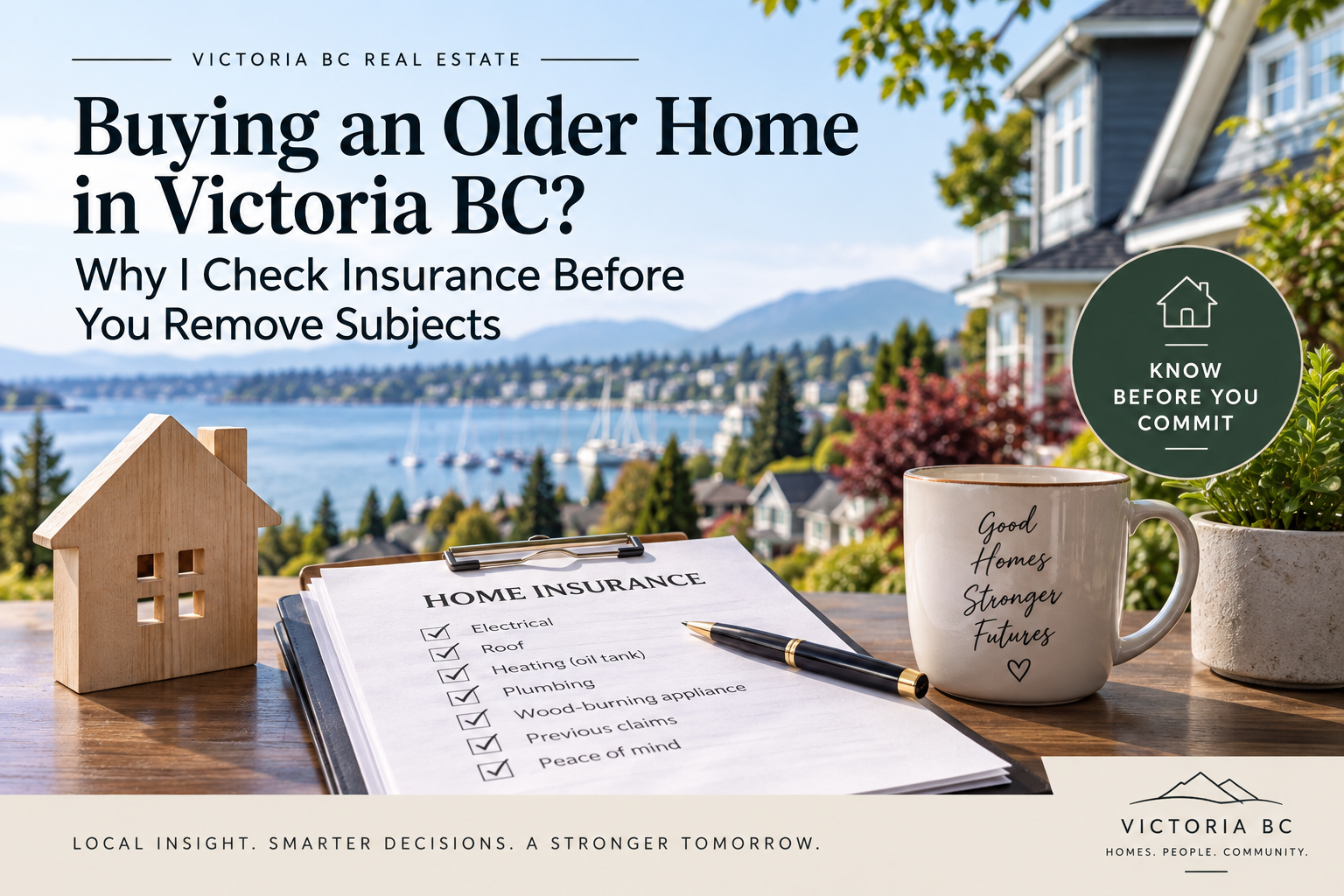
Buying an Older Home in Victoria BC? Why I Check Insurance Before You Remove Subjects
You've found a house you love. The inspection has gone well, your financing is coming together and you're getting close to removing subjects.
There is one more question I don't want my buyers to overlook:
Can you insure the house on terms and at a cost you're comfortable with?
This is particularly important when I'm helping someone purchase an older home in Greater Victoria. Our established neighbourhoods are filled with wonderful houses built in many different eras, but older homes can also contain building systems that an insurance company may want to know more about.
That's why I encourage my buyers to investigate insurance before they become committed to the purchase, not a few days before they receive the keys.
Why Check Home Insurance Before Removing Subjects?
A subject condition gives a buyer time to investigate an issue before becoming fully committed to the purchase.
The BC Financial Services Authority provides a property-insurance condition that can make a purchase subject to the buyer obtaining approval from a licensed insurer for property and liability coverage on terms and at rates satisfactory to the buyer.
That matters because obtaining insurance isn't simply about asking, “Can someone insure this house?”
I also want my buyer to understand whether there are conditions attached to the coverage, whether additional inspections or upgrades are required, what coverage is being offered, and whether the premium and deductibles are acceptable to them.
If you're financing the purchase, insurance can become even more important. Mortgage lenders generally require evidence of appropriate property insurance before mortgage funds are advanced.
Why This Matters With Victoria's Older Homes
One of the things I love about Victoria is the variety of our housing stock.
In neighbourhoods such as Fairfield, Fernwood, Oak Bay and Esquimalt, buyers may be considering character homes that are many decades old. In Gordon Head, Cadboro Bay and other parts of Saanich, we also have a substantial inventory of homes from the post-war decades through the 1960s, 1970s and 1980s.
An older home isn't automatically a problem. Many have been carefully maintained and thoughtfully upgraded.
What matters is understanding what has—and hasn't—been updated.
What Might an Insurance Company Want to Know?
Every insurer has its own underwriting requirements, so there isn't one universal checklist. However, there are several property characteristics that are worth investigating when purchasing an older home.
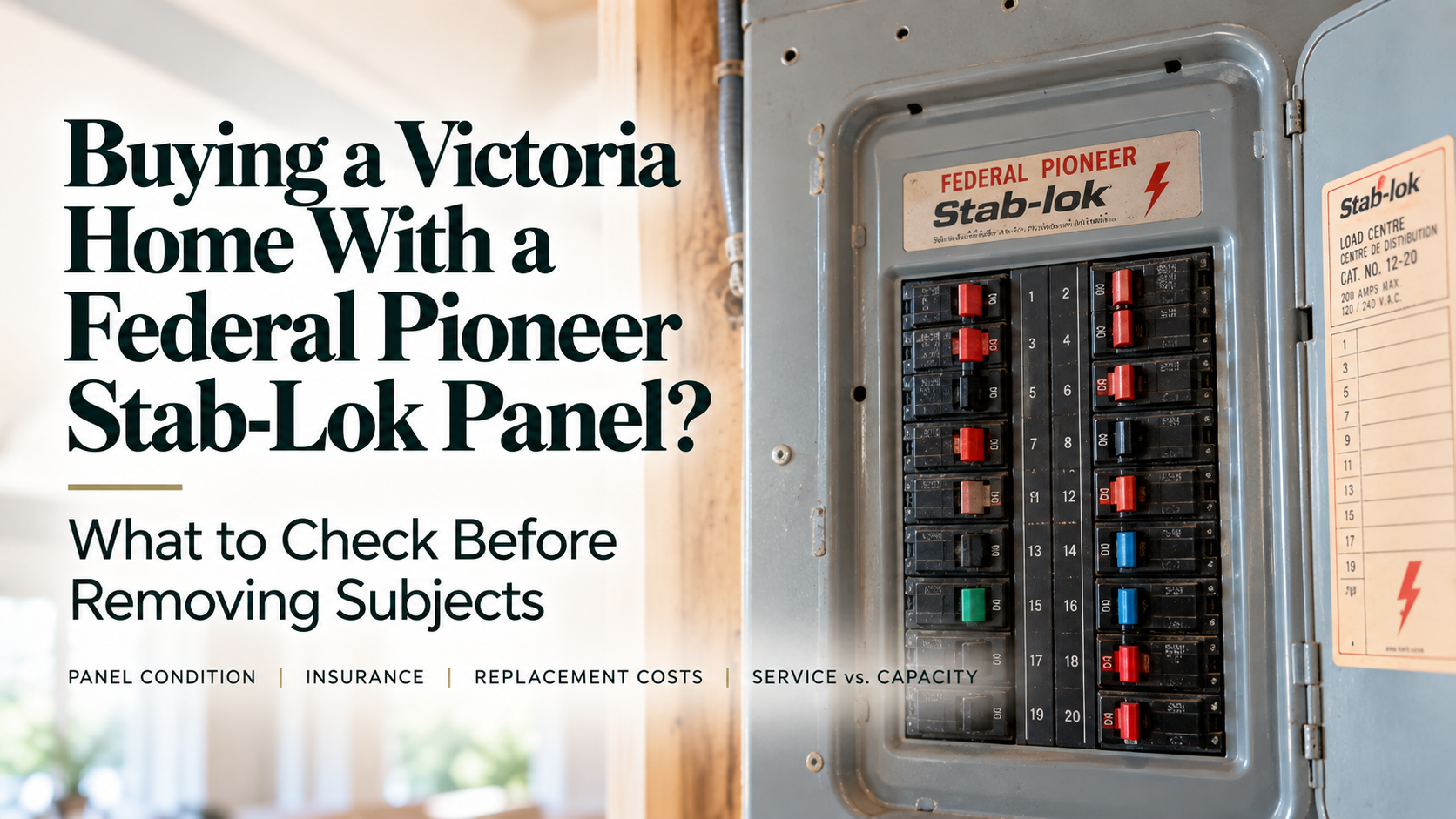
1. Electrical Wiring and Service
Older electrical systems are something I pay attention to during the buying process.
Depending on the age and history of the home, there may be questions about the type of wiring, electrical panel, service capacity and previous electrical upgrades.
If something is identified during the inspection, I don't want to guess about whether an insurer will care about it. I want my buyer to ask the insurer or insurance broker directly.
Sometimes additional information from a licensed electrician may be helpful.
2. The Roof
The age and condition of the roof can also be relevant.
If the roof is approaching the end of its expected life, an insurer may ask questions about its age, material or condition.
This is a good example of why the home inspection can help with the insurance conversation: the inspection may identify an issue that the buyer can then discuss with the appropriate insurance professional.
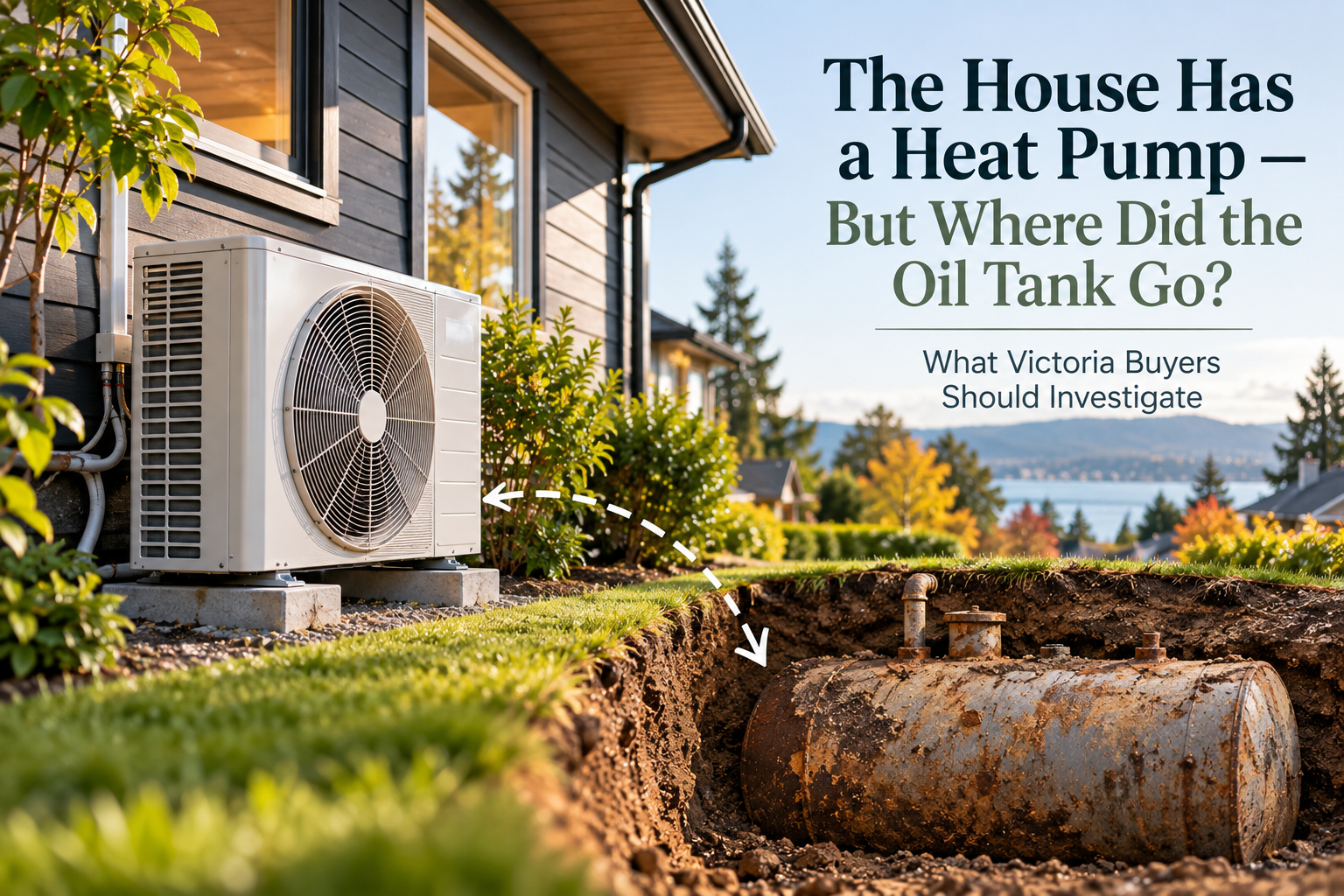
3. Oil Heating and Oil Tanks
Oil tanks deserve particular attention in older Victoria properties.
I want to know whether the property currently uses oil heat, whether there is an above-ground tank, whether there was previously an underground tank, and what documentation exists regarding removal or replacement.
An oil tank can create both environmental and insurance questions, so this is something I prefer to investigate early rather than assume is fine.
4. Plumbing
Plumbing is another area where the age and type of materials can matter.
The fact that water comes out of the taps doesn't tell us everything we need to know about the plumbing system.
When appropriate, I want to understand what materials are present, whether portions of the system have been updated, and whether anything identified during an inspection should be discussed with the insurer.
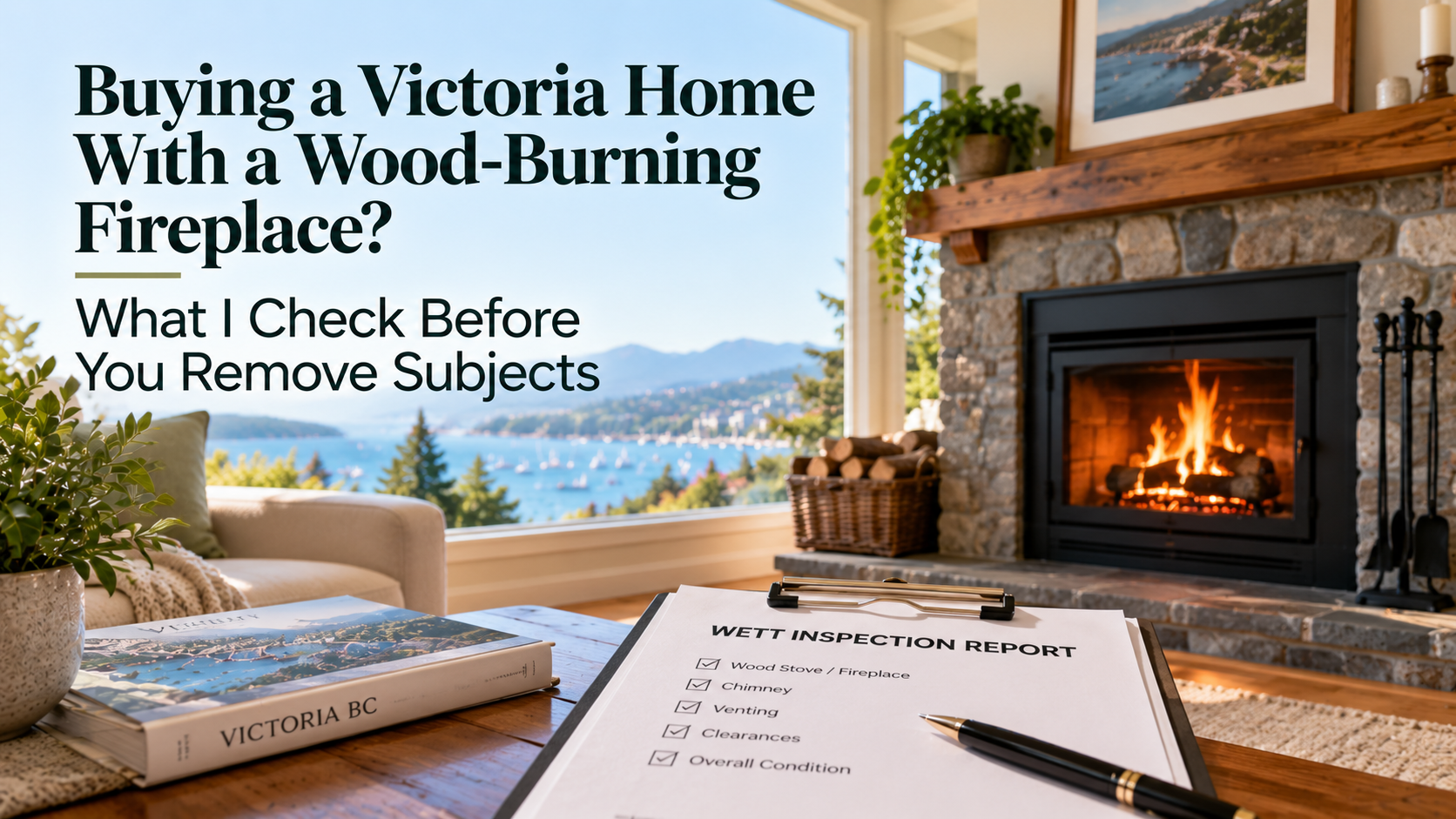
5. Wood-Burning Fireplaces and Stoves
A wood-burning fireplace can be a lovely feature in a Victoria home, but I don't want a buyer to assume that because the fireplace exists, an insurance company will automatically be comfortable with it.
Depending on the property and insurer, additional information or an appropriate inspection may be requested.
BCFSA specifically cautions that a wood stove, fireplace insert or chimney that does not comply with applicable requirements may affect available fire insurance.
6. Previous Water Damage or Insurance Claims
If we become aware of previous water damage, flooding, fire or another significant event affecting the property, I want my buyer to ask questions.
What happened? Was it repaired? Is documentation available? Is there anything an insurance professional needs to know before providing coverage?
Again, the goal isn't to assume there is a problem. The goal is to uncover the information needed to make a good decision.
Don't Forget Earthquake, Flood and Sewer Backup Coverage
Insurance due diligence isn't limited to the age of the house.
BCFSA's property-insurance condition specifically refers to property coverage including fire, earthquake and flood coverage. BCFSA also notes that insurers in British Columbia have become increasingly cautious about properties exposed to natural-catastrophe and climate-related risks.
Buyers should discuss with a qualified insurance professional what coverage is available for the particular property and what is or isn't included in a proposed policy.
This is particularly important because coverage such as earthquake, sewer backup or overland water may be treated differently from standard homeowner coverage.
A Home Inspection and an Insurance Check Do Different Jobs
This distinction is important.
Your home inspector evaluates the physical condition of the property within the scope of the inspection.
Your insurance professional determines whether an insurer is prepared to offer coverage and explains the proposed policy, exclusions, limits, deductibles, premiums and any underwriting requirements.
Your mortgage professional or lender deals with financing requirements.
And as your REALTOR®, I help coordinate the real estate due-diligence process, identify questions and keep track of the contractual deadlines.
These professionals aren't interchangeable. They each answer different questions.
What Should I Tell My Insurance Broker?
Don't wait until the last minute and simply ask for “insurance on the house.”
Give your insurance professional as much accurate information as you reasonably can about the property and ask what else they need.
Depending on the home, useful information may include:
- the property address
- year of construction
- roof age and material, if known
- type and age of electrical wiring and service, if known
- plumbing materials and updates, if known
- heating system
- presence of an oil tank or history of an underground tank
- wood-burning fireplaces, inserts or stoves
- significant renovations
- known previous damage or claims information that is available
- information requested by the insurer following the home inspection
The insurance professional can then tell you what additional information, inspections or documentation may be required.
What Happens If the Insurer Identifies a Problem?
A concern doesn't necessarily mean the purchase is over.
It may mean the insurer needs more information. Another insurer may have different underwriting requirements. A professional inspection or repair may be requested. The buyer may need to investigate costs or timelines before deciding what to do.
The important point is that we have discovered the issue while there is still time to make an informed decision, subject to the terms and deadlines of the contract.
My Older-Home Insurance Checklist for Victoria Buyers
- Contact an insurance broker or insurer before the insurance subject deadline.
- Provide accurate information about the property.
- Share relevant findings from the home inspection when appropriate.
- Ask whether the electrical system creates any underwriting requirements.
- Confirm whether the roof age or condition matters.
- Discuss oil tanks or previous oil heating.
- Ask about older plumbing when applicable.
- Discuss wood-burning appliances or fireplaces.
- Understand the premium and deductibles.
- Ask what coverage is included and what is optional or excluded.
- Make sure your lender's insurance requirements can be satisfied.
Frequently Asked Questions
Should I arrange home insurance before removing subjects in BC?
If insurance is a condition of your purchase, it should be investigated within the time specified in your contract. BCFSA provides a property-insurance condition that can make the purchase subject to the buyer obtaining satisfactory insurance approval. Your REALTOR® can explain the contractual process, while an insurance professional should advise you about coverage.
Can an older house be difficult to insure?
Sometimes. The age of a house alone does not determine whether it can be insured, but insurers may ask about items such as electrical wiring, plumbing, roofing, heating systems and previous upgrades. Requirements vary between insurers.
Does a mortgage lender require home insurance?
Mortgage lenders generally require proof of appropriate property insurance before mortgage funds are advanced. Buyers should confirm the specific requirements with their lender or mortgage professional.
Does passing a home inspection mean the property is insurable?
No. A home inspection and an insurance assessment serve different purposes. An insurer makes its own underwriting decision about whether it will offer coverage and on what terms.
Should I avoid a Victoria home with older wiring or an oil tank?
Not automatically. These are reasons to investigate further rather than make assumptions. The appropriate professionals can help determine the condition of the system, any work that may be required and the insurance implications before you decide how to proceed.
Helpful BC Buyer Resources
For independent information about purchasing real estate and subject conditions in British Columbia:
Thinking About Buying an Older Home in Victoria?
Older homes can be wonderful purchases, but knowing what to investigate matters. I help my clients work through the details, ask the right questions and bring in the right professionals so they can make informed decisions with confidence.
Explore Victoria Real EstateDawn Stokkeland | REALTOR®
Dawn Stokkeland is a Victoria BC REALTOR® with eXp Realty, helping buyers and sellers throughout Greater Victoria. Her approach focuses on education, careful due diligence and straightforward guidance so clients understand the property, the process and their options before making important real estate decisions.
Serving Victoria, Saanich, Gordon Head, Cordova Bay, Cadboro Bay, Oak Bay, Fairfield, Fernwood, Royal Oak, Esquimalt, Sidney and surrounding Greater Victoria communities.
Categories
Recent Posts


REVIEWS